
-
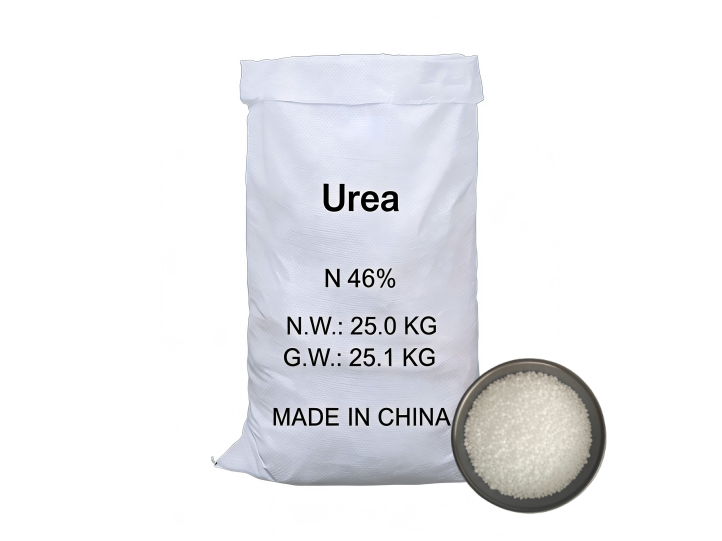
Regular Granule Urea 0.85–2.80
-
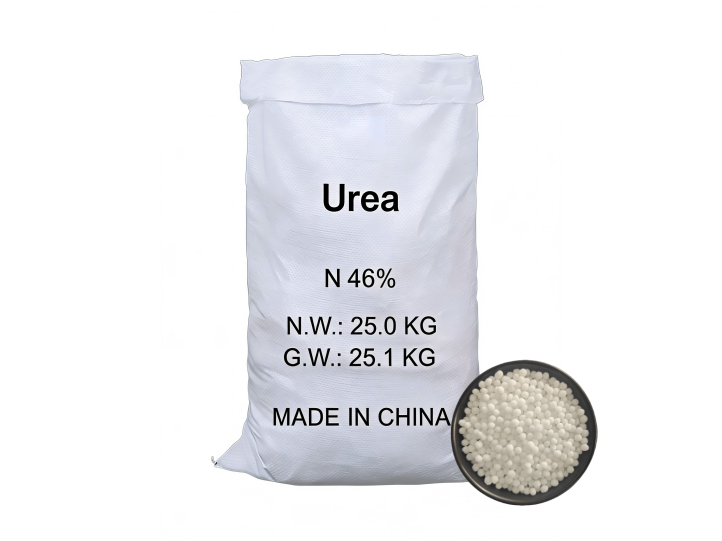
Big Granular 2.0–4.75 Urea 46% N
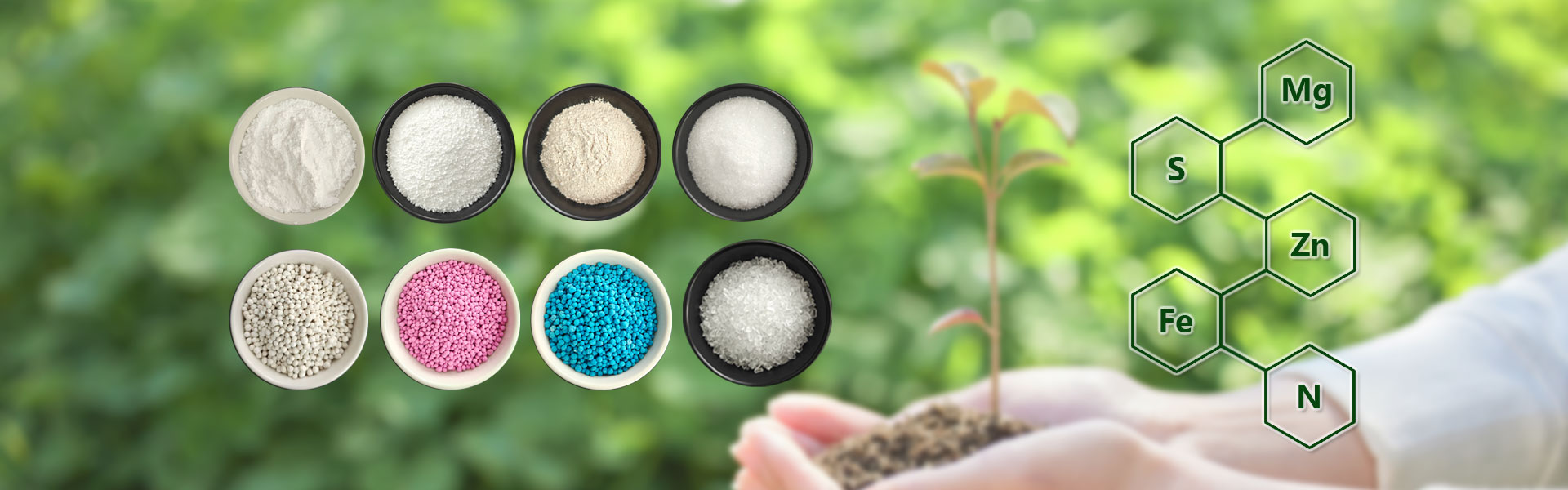
Urea, chemically known as carbamide with the molecular formula CO(NH₂)₂, is an organic nitrogen-containing compound and the most widely used solid nitrogen fertiliser across the globe. Urea appears as white crystalline granules or prills. It is odourless, highly soluble in water and chemically stable under normal storage conditions. Urea has a nitrogen content of approximately 46%, the highest among all commonly used solid nitrogen fertilisers. Its high nitrogen concentration reduces transportation and packaging costs, making urea highly cost-effective for large-scale agricultural production.
Urea cannot be directly absorbed by plant roots. After being applied to soil, enzymes in the soil convert urea into ammonium carbonate. Ammonium ions can be directly taken up by crops or further converted into nitrate nitrogen for plant utilisation. It is suitable for nearly all soil types and most agricultural crops, including corn, wheat, rice and vegetables. Urea can be applied as base fertiliser or top dressing, and even used for foliar spraying after proper dilution. Nevertheless, improper surface application may trigger ammonia volatilisation and result in nitrogen loss. Deep placement is recommended to improve utilisation efficiency.
Apart from agriculture, urea has extensive industrial applications. It serves as a key raw material for manufacturing urea-formaldehyde resins, which are widely used in the production of plywood, particleboard and adhesives. In the automotive industry, urea acts as the core component of Diesel Exhaust Fluid (DEF). It decomposes harmful nitrogen oxides in vehicle exhaust and therefore mitigates air pollution. Urea is also utilised as a humectant in cosmetics, skincare products and pharmaceuticals. Additionally, it can be used as a raw material for textile printing and dyeing as well as flame retardant manufacturing.
Even though urea is a multi-functional chemical, users must follow operational procedures. Excessive application of urea leads to excess nitrogen, which causes lush, weak crop growth, delayed maturity and nitrate leaching that contaminates groundwater. Urea should be stored in dry warehouses, since moisture will cause caking. It should not be mixed with strong alkaline fertilisers to avoid ammonia escape.
With its high nitrogen content, easy handling and diversified functions, urea occupies an irreplaceable position in modern agriculture and the chemical industry. Urea remains the leading nitrogen fertiliser supporting global food security.