
-
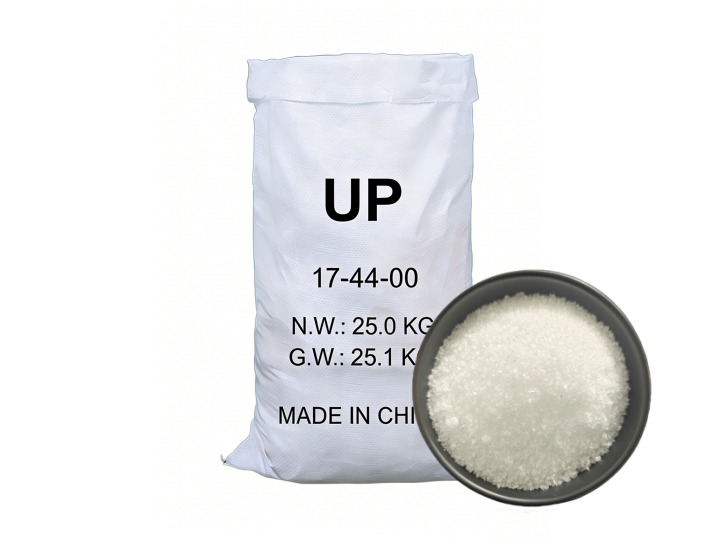
Urea Phosphate 17-44-0 Fertilizer
-
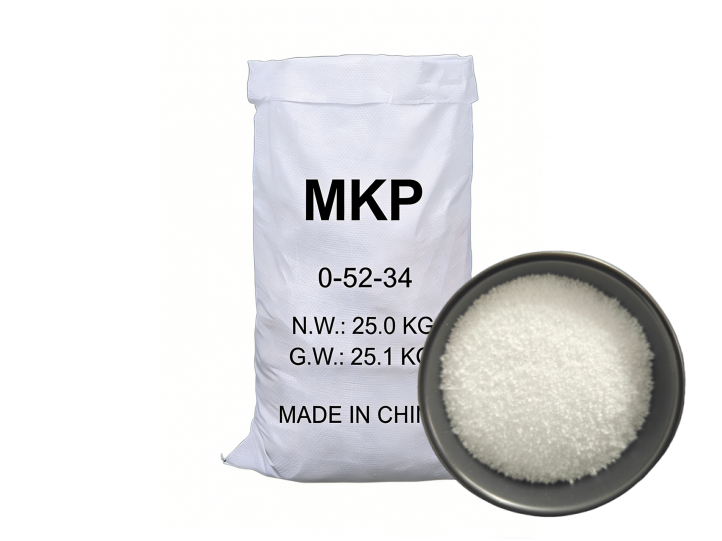
High Purity MKP 0-52-34 Potassium Dihydrogen Phosphate Fertilizer
Phosphates refer to natural phosphate rock as well as processed phosphate fertilizers, representing one of the three major macronutrients essential for all plant growth. Containing phosphorus, phosphates are core substances for energy transfer, cell division, and tissue formation within crops. Phosphorus participates in the synthesis of adenosine triphosphate (ATP), nucleic acids, and phospholipids, laying the biochemical foundation for seed germination, root establishment, flower bud differentiation, and fruit development. When phosphate supply is insufficient, plants experience slowed growth, dark purple leaves, delayed maturity, and poor flowering and fruit setting, severely constraining yield potential.
Natural phosphates are mined from sedimentary or igneous phosphate rock deposits. Because raw phosphate ore has low water solubility, industrial processing methods such as acidification and granulation are typically employed to convert insoluble phosphorus into forms that can be absorbed and utilized by plants, such as orthophosphates. Available phosphates can be rapidly absorbed by crop roots and root hairs. Phosphates have weak mobility in soil and easily combine with calcium, iron, and aluminum ions under unsuitable pH environments, becoming fixed and losing activity. Therefore, the rational application of phosphates paired with organic amendments such as humates can reduce phosphorus fixation and enhance nutrient utilization efficiency.
Phosphates exert unique efficacy across different growth stages of crops. During the seedling stage, they promote robust root extension and enhance seedling stress tolerance; during the reproductive growth stage, phosphates accelerate flower and fruit formation, promote grain filling, and improve fruit quality, such as sugar content and maturity uniformity. Cereals, fruit trees, vegetables, oil crops, and cash crops can all benefit significantly.
Phosphates are foundational nutrient inputs in modern agriculture, supporting stable global food security. However, phosphate rock is a finite, non-renewable mineral resource. Farmers are advised to apply phosphates precisely and quantitatively based on soil testing and crop demands, avoiding over-application and reducing nutrient runoff that triggers eutrophication in water bodies. Sustainable management of phosphate mineral reserves and application methods is crucial for balancing high agricultural yields with long-term ecological protection.